
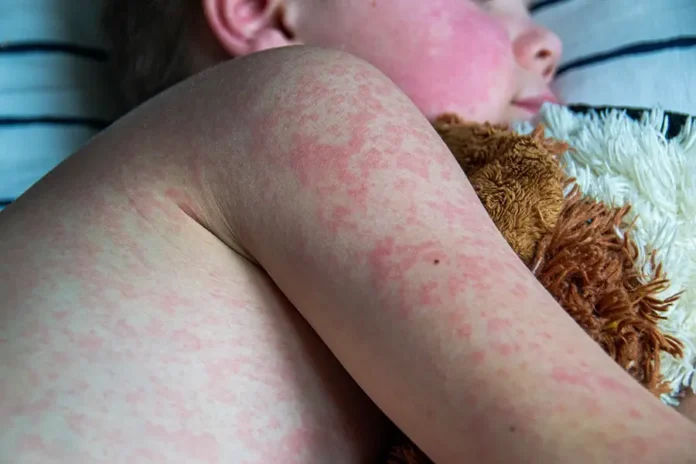
Introduction to the Measles Resurgence
Measles, once nearly eradicated in the U.S. thanks to widespread vaccination, is now experiencing a troubling resurgence, raising alarms among public health officials. This unprecedented spike in infections underscores a critical inflection point for vaccination efforts and community health awareness. While the root causes of this uptick include vaccine hesitancy fueled by misinformation, underlying social factors such as socioeconomic disparities and access to healthcare play a significant role in the crisis.
The emotional and psychological aspects of vaccine apprehension compound the issue, as communities grapple with fears fed by misleading narratives. As educators and policymakers strive to combat these misconceptions, there is an urgent need for innovative outreach strategies that resonate with diverse populations. Engaging storytelling, testimonials from recovered patients, and transparent conversations about vaccine safety can help rebuild trust and encourage families to prioritize immunization for their children. A collective understanding that resolves around facts, empathy, and community ties could be pivotal in reversing this startling trend.
Current Statistics on Measles Infections
Recent statistics reveal a troubling surge in measles cases across the United States, with the CDC reporting over 1,200 confirmed infections this year, a stark contrast to the mere 300 cases reported just two years prior. Amidst ongoing public health campaigns, particularly in states with lower vaccination rates, the resurgence is attributed largely to misinformation about vaccine safety, creating a perfect storm for disease spread. States like Texas and New York have emerged as focal points, not only due to their dense populations but also because of substantial pockets of unvaccinated individuals.
Moreover, the current situation highlights troubling disparities in health access and education. Areas with robust healthcare resources are seeing fewer cases, suggesting that vaccination outreach is playing a significant role in combating outbreaks. Unfortunately, the resurgence is not just a public health crisis; it’s igniting debates around vaccine mandates and the ethical responsibility of communities to safeguard vulnerable populations. As measles, once declared eliminated in the U.S., makes a daunting comeback, it serves as a stark reminder of the power of collective immunity and the dire consequences of complacency in vaccination efforts.
State-by-State Breakdown of Measles Cases
In examining the state-by-state breakdown of measles cases, it’s evident that certain regions are feeling the brunt of this resurgence. For instance, states with historically lower vaccination rates are seeing sharp increases, reflecting a troubling correlation between vaccine hesitancy and outbreak clusters. Communities where misinformation about vaccines spreads rapidly often find themselves grappling with higher incidences, exposing the critical role of education in public health.
Interestingly, some states previously lauded for their robust immunization programs are now witnessing pockets of vulnerability, primarily due to local outbreaks. These cases underscore a pivotal challenge: balancing personal beliefs with collective health responsibility. Additionally, public health agencies are adapting their strategies in real-time, collaborating with local leaders to launch vaccination drives, especially in communities impacted by misinformation. As we navigate this resurgence, the importance of restoring trust in vaccines cannot be overstated, as it remains a bulwark against preventable diseases like measles.
Root Causes Behind the Outbreak
The resurgence of measles in specific states can be traced back to a confluence of societal factors that have eroded vaccine confidence. Misinformation proliferating on social media has increasingly influenced parental decisions, creating pockets of unvaccinated communities. This hesitancy is often rooted in deeply held beliefs about vaccine safety, fueled by sensationalized stories and anecdotal evidence. As a result, the collective immunity that protects vulnerable populations begins to disintegrate, making the return of once-erradicated diseases alarmingly feasible.
Moreover, the recent pandemic has shifted public focus away from routine vaccinations. Many families, preoccupied with COVID-19 fears, neglected essential immunizations for their children. This interruption in healthcare access, coupled with the decline in community immunization programs, has left gaps that measles — a highly contagious virus — exploits. Efforts to rebuild public trust in vaccines must not only address misinformation but also enhance accessibility to vaccination services, ensuring that parents feel confident and supported in safeguarding their children’s health.
Vaccine Rates and Public Health Policies
Vaccine rates serve as cornerstones of public health, influencing not only individual immunity but also community resilience against outbreaks. In states grappling with rising measles cases, the connection between declining vaccination rates and heightened infection risks has never been clearer. Public health policies must adapt to address the complexities of vaccine hesitancy, influenced by misinformation and shifting cultural attitudes. Strategies that prioritize education and community engagement can bridge the gap, fostering trust and encouraging hesitant populations to reconsider vaccination.
Moreover, tailored interventions that consider local demographics and socioeconomic factors can enhance receptivity to vaccination campaigns. For instance, integrating mobile clinics in underserved neighborhoods or offering incentives for vaccinations can significantly boost uptake. These approaches highlight the importance of crafting public health narratives that resonate on a personal level, transforming vaccine hesitancy into a collective commitment to community wellness. As the nation confronts an unprecedented rise in measles cases, innovative public health policies, grounded in empathy and understanding, are essential to reversing this concerning trend.
Impact on Communities and Healthcare Systems
The resurgence of measles in certain states is not merely a public health concern; it has profound implications for community dynamics and healthcare systems. As infection rates climb, families face heightened anxiety, leading to increased mistrust in vaccines and healthcare providers. This cycle of fear can erode community bonds, creating an environment where misinformation thrives and collective immunity weakens.
Healthcare systems are already strained, and an influx of measles cases can exacerbate existing challenges. Hospitals may find themselves on the brink of crisis, juggling resources while trying to manage both routine care and an outbreak. Public health initiatives will require not just medical resources but also community engagement strategies that foster collaboration and trust among residents. The path forward must involve a concerted effort to educate the public, dismantle myths, and strengthen the ties that bind communities together, ultimately transforming this public health challenge into an opportunity for collective resilience.
Expert Opinions on Measles Containment
Experts agree that the recent surge in measles cases underscores the urgent need for a robust public health response. Dr. Sarah Thompson, a leading epidemiologist, emphasizes that vaccination campaigns must not only target children but also engage adults, many of whom may be unaware of their own vaccination status or the importance of booster shots. “In the age of misinformation, we should prioritize education and outreach, thinking creatively about how to present the facts,” she noted.
Moreover, public health advocates argue for a multifaceted approach that includes community involvement. Programs that harness local influencers — trusted voices within communities — can help reshape perceptions surrounding vaccinations. “When leaders in a community advocate for vaccines, the turnout rates soar,” says Dr. Michael Chen, a community health specialist. His insights suggest that fostering a sense of community responsibility may be just as crucial as the medical aspect of vaccination campaigns, highlighting how deeply interwoven health is with cultural awareness and local trust dynamics.
Historical Context of Measles Epidemics
Measles epidemics have historically shaped public health policies and societal behavior, often reflecting broader social and economic trends. In the early 20th century, before the widespread introduction of the vaccine in 1963, measles claimed thousands of lives each year, particularly among children. These outbreaks not only highlighted the vulnerabilities in healthcare systems but also sparked significant public outcry, leading to the establishment of robust vaccination campaigns and the eventual implementation of mandatory immunization laws.
The resurgence of measles today can be tied to modern dynamics, including misinformation about vaccines and the growing movement of vaccine hesitancy. Communities that once successfully eradicated measles now face alarming rates of infection as vaccination rates decline. This situation underscores the intricate relationship between historical public health successes and contemporary challenges, reminding us that progress can be fragile. As public health officials confront this crisis, revisiting the lessons learned from past epidemics will be crucial in crafting effective strategies to prevent future outbreaks.
Preventative Measures and Public Awareness
Preventative measures are crucial in the fight against the resurgence of measles, a disease that was once largely eradicated in the United States. Vaccination stands out as the most effective tool in our arsenal. The MMR (measles, mumps, rubella) vaccine not only protects individuals but also contributes to community immunity, creating a barrier against outbreaks. Awareness campaigns must emphasize the risks associated with vaccine hesitancy, highlighting real-life stories and data that illustrate the severe consequences of measles infections, particularly in vulnerable populations like infants and those with compromised immune systems.
Public engagement plays a vital role in combating misinformation. Social media platforms can serve as both a blessing and a curse, rapidly spreading both accurate information and dangerous myths. Empowering healthcare professionals and influencers to share factual, compelling narratives can bridge the trust gap. Educational initiatives should also be tailored for schools, encouraging children to understand the importance of vaccines in their health journey, fostering a culture of safety and accountability. By uniting efforts across community organizations, healthcare providers, and local influencers, we can instill a sense of responsibility and urgency that is essential in curbing the rise of measles cases and fostering a healthier future for all.
Addressing the Measles Challenge
As we confront the resurgence of measles, the challenge goes beyond mere statistics; it touches on the heart of public health and community trust. The recent increase serves as a stark reminder of our collective responsibility. Vaccine hesitancy, fueled by misinformation and fear, has created a fertile ground for this highly contagious virus to flourish. It’s crucial to address these fears with empathy and transparent communication, focusing on the overwhelming scientific consensus that supports vaccination as a safe and effective means to protect not only individuals but also the broader community.
Furthermore, engaging local leaders and influencers in vaccination campaigns can foster trust and make the message resonate more deeply. These grassroots initiatives can demystify the vaccination process and highlight real-life stories of families who have seen firsthand the devastating impact of measles. In a world increasingly divided on health issues, promoting inclusivity and dialogue is essential. By creating a supportive environment, we can not only combat measles but also strengthen the community’s understanding of and commitment to public health.