
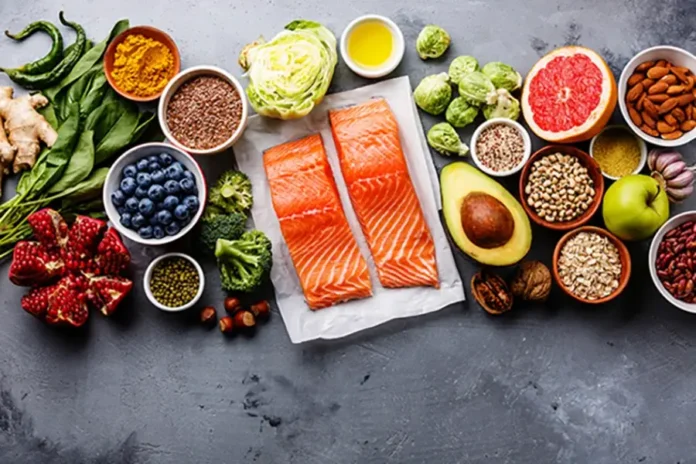
Understanding Immune System Health
Immune system health is a delicate balance, intricately woven with our diet, lifestyle, and overall well-being. At its core, the immune system is a complex network of cells, tissues, and organs that work tirelessly to fend off pathogens. However, many people don’t realize that everyday choices, from the foods we consume to our stress levels, play a crucial role in shaping our immune response. A vibrant immune system thrives not only on essential nutrients but also on the synergy these nutrients create when consumed together.
Recent research emphasizes the importance of nutrient-dense, whole foods over supplements alone. For instance, colorful fruits and vegetables rich in antioxidants like vitamin C and beta-carotene can significantly enhance immune function by protecting cells from oxidative stress. Additionally, fermented foods packed with probiotics contribute to gut health, which studies show is fundamentally linked to immunity. This connection highlights a refreshing perspective: cultivating a healthy microbiome is as essential for your overall health as ensuring you get enough vitamins and minerals.
Moreover, the impact of lifestyle choices cannot be overstated. Regular exercise, adequate sleep, and stress management techniques can amplify the immune-boosting effects of a nutritious diet. Mindfulness practices, such as yoga or meditation, help reduce chronic inflammation, fostering a more resilient immune response. When we view immune health as a holistic endeavor, integrating food choices with lifestyle habits, we empower ourselves to nurture a robust defense against illness naturally.
Vitamin C-Rich Foods to Consider
Incorporating vitamin C-rich foods into your diet is a delicious way to bolster your immune system. Beyond well-known sources like oranges and strawberries, consider the lesser-known powerhouses such as kiwifruit and bell peppers. Kiwifruit is not only a vibrant addition to smoothies but also packs more vitamin C per ounce than oranges, making it a juicy choice for immune support. Similarly, vibrant red and yellow bell peppers offer an astonishing amount of vitamin C, and their crunch adds texture and flavor to salads and stir-fries.
Broccoli, often overlooked, is another top contender, providing not just vitamin C but an array of antioxidants that work synergistically to enhance your immune response. When lightly steamed, its nutrients become more bioavailable, making it an excellent side dish or salad topper. For a surprising twist, incorporate herbs like parsley and thyme, which also contain vitamin C while boosting the overall flavor profile of your meals. By diversifying your intake of these vibrant foods, you’re not just enhancing your immune defense; you’re celebrating a rainbow of flavors and textures that make healthy eating an enjoyable experience.
Antioxidant Power: Berries and Their Benefits
Berries are not just colorful additions to your plate; they are powerhouses of antioxidants with profound benefits for immune health. Rich in vitamin C, polyphenols, and anthocyanins, these tiny fruits can combat oxidative stress and inflammation, two significant factors that weaken our immune defenses. Blueberries, for instance, have been shown to enhance immune response by increasing the production of cytokines, crucial molecules that help regulate immune function.
Beyond their immunity-boosting properties, berries also offer a unique advantage for your gut health. The fiber found in raspberries and blackberries acts as a prebiotic, nourishing the beneficial bacteria in your digestive system, which in turn supports overall immune function. Moreover, the vibrant pigments in these fruits often indicate a high level of phytochemicals that can help modulate the immune response, making them an excellent choice for long-term health. Incorporating a mix of fresh berries into your diet not only delights your taste buds but also fortifies your body’s defenses, creating a colorful tapestry of health benefits.
The Role of Probiotics in Immunity
Probiotics are more than just a trendy health supplement; they serve as a cornerstone for a resilient immune system. These beneficial bacteria reside in our gut, where they interact with our immune cells, enhancing their activity and fostering a balanced immune response. In fact, nearly 70% of our immune system is housed in the gut, making it a pivotal arena for maintaining health and preventing illness. By cultivating a diverse microbiome through probiotic-rich foods like yogurt, kefir, and fermented vegetables, we not only promote gut health but also empower our body’s defenses against pathogens.
Emerging research highlights that probiotics can help modulate inflammatory responses, a key factor in many chronic diseases. By fine-tuning immune functions, they can alleviate the severity of allergies and even bolster vaccine efficacy, ensuring that our bodies respond more robustly to immunizations. Moreover, the interplay between stress and gut health cannot be ignored; a disrupted microbiome can lead to a weakened immune response, while a healthy gut can mitigate the stress-induced immune suppression. Incorporating probiotic foods into your diet is not merely a choice; it’s a proactive strategy to fortify your immune system naturally and sustainably.
Incorporating Garlic for Natural Defense
Garlic, often celebrated for its culinary versatility, holds a powerful place in the realm of natural defenses. Rich in allicin, a compound released when garlic is crushed or chopped, it boasts potent antimicrobial and antiviral properties. Research suggests that regular consumption can enhance the immune response, making it a formidable ally during cold and flu season. Incorporating raw garlic into dressings or meals can amplify its immune-boosting potential, ensuring you get the full spectrum of its health benefits.
Beyond its immune-enhancing qualities, garlic also aids in reducing inflammation and may even support heart health by promoting healthy blood circulation. Pairing garlic with other immune-boosting foods, like ginger or turmeric, can create a dynamite defense shield against pathogens. Moreover, experimenting with different forms — like aged garlic or garlic supplements — can offer unique benefits, catering to various tastes and dietary needs. By seamlessly weaving garlic into your daily diet, you not only elevate your meals but also fortify your body’s defenses in a deliciously effective manner.
Healing Herbs: Turmeric and Ginger
Turmeric and ginger, often celebrated as culinary staples, possess remarkable healing properties that extend far beyond their flavorful profiles. Turmeric, with its active compound curcumin, has been shown to significantly reduce inflammation, making it a potent ally in bolstering the immune system. Studies suggest that curcumin not only enhances the activity of immune cells but also exhibits antioxidant effects that combat oxidative stress — an often-overlooked factor in immunity.
Similarly, ginger is not just a spice but a powerful anti-inflammatory and antimicrobial agent. Its compounds, such as gingerol, are known to improve circulation and enhance the body’s ability to fight infections. More intriguingly, recent research highlights ginger’s role in modulating immune responses, potentially providing relief from respiratory conditions by opening airways and soothing irritation. Incorporating turmeric and ginger into your diet — whether in teas, smoothies, or savory dishes — can create a flavorful and effective strategy for maintaining a robust immune system.
Healthy Fats: Omega-3 Sources to Include
Incorporating omega-3 fatty acids into your diet is a powerful way to enhance your immune response. These healthy fats, often dubbed “essential,” are not produced by the body, making it crucial to seek them from dietary sources. Fatty fish like salmon, mackerel, and sardines are not only rich in omega-3s but also packed with protein and other vital nutrients that contribute to overall health. Opt for wild-caught varieties when possible, as they typically boast higher omega-3 content and fewer contaminants.
Plant-based sources also offer a treasure trove of omega-3s for vegetarian or vegan diets. Chia seeds and flaxseeds are tiny powerhouses that can easily be sprinkled on oatmeal or blended into smoothies, providing a crunchy texture along with heart-healthy fats. Walnuts, another excellent option, can serve as a perfect snack while also delivering antioxidants, further bolstering your immune system. By diversifying your omega-3 intake through both marine and plant-based sources, you not only enhance your nutrient profile but also contribute to a holistic approach to wellness.
Foods High in Zinc for Immune Support
Zinc is a powerhouse mineral crucial for a robust immune system, playing a vital role in cellular function and immune response. Foods high in zinc not only enhance your body’s defense mechanisms but also have the added benefit of supporting overall health. Think beyond conventional sources like meat and seafood — plant-based options such as lentils, chickpeas, and pumpkin seeds provide an excellent zinc boost, making it easier for vegetarians and vegans to incorporate this essential mineral into their diets.
Additionally, consider the synergistic effects of pairing zinc-rich foods with vitamin C sources. For instance, snacking on roasted chickpeas with a side of sliced bell peppers or adding hemp seeds to a citrus smoothie can amplify your immune support while delivering a diversity of nutrients. Exploring these combinations opens a world of culinary creativity while ensuring your body is equipped to fend off illness more effectively. Embrace these zinc-rich foods not just for their immune-boosting properties, but for their ability to enhance your meals with flavor and texture.
Simple Steps for a Stronger Immune System
A robust immune system is not just about the food we eat; it’s also shaped by our daily habits. Engaging in regular physical activity boosts circulation, enabling immune cells to move freely throughout the body. Even simple activities like walking or yoga can increase lymphatic flow and enhance immune function. Pairing exercise with a consistent sleep schedule helps your body regenerate and repair, allowing it to better fight off infections.
Another often-overlooked aspect of immune health is hydration. Drinking adequate water supports cellular functions and helps to flush out toxins, keeping your body in optimal shape. Try infusing your water with immune-boosting ingredients like lemon, ginger, or turmeric, which not only taste refreshing but also provide additional health benefits. Finally, consider integrating mindfulness practices like meditation or deep breathing into your routine; these can reduce stress, which has a profound impact on immune resilience. By weaving these simple steps into your daily life, you can create a strong, natural defense system.