
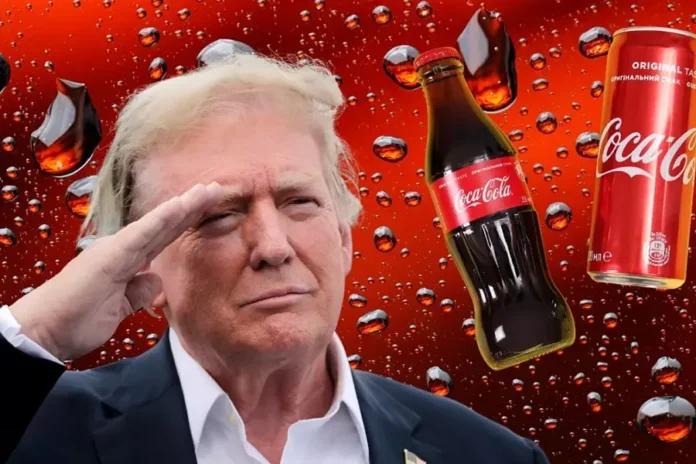
Coca-Cola’s New Venture with Trump
Coca-Cola’s latest venture, endorsed by Donald Trump, marks a bold intersection of commerce and politics that could reshape consumer engagement. By aligning with a figure as polarizing as Trump, Coca-Cola is not just launching a beverage; it’s inviting a conversation. This partnership raises intriguing questions about brand identity and loyalty in a divided landscape, where consumers often gravitate towards products that reflect their values and affiliations.
Moreover, the beverage is purportedly infused with unique flavors inspired by Trump’s own taste preferences, aiming to resonate with his base while attracting new customers. This strategy taps into the growing trend of experiential marketing, where consumers seek not just products, but narratives and experiences that resonate on a personal level. Whether this bold move will alienate or empower will depend on the execution of the marketing campaign and the drink’s reception, but one thing is clear: Coca-Cola is hoping to serve more than quench thirsts; they aim to tap into the American zeitgeist, making a statement that goes beyond just refreshment.
The Concept Behind the Beverage
At its core, this new Coca-Cola beverage seeks to blend tradition with innovation, embodying the nostalgia of its classic roots while embracing contemporary consumer trends. This approach not only resonates with loyal fans but also aims to attract a younger demographic, hungry for unique flavors and experiences. By leveraging the audacious endorsement of Donald Trump, Coca-Cola is clearly betting on the power of personality to create a buzz that transcends mere product placement.
The choice of flavors, meticulously curated to ignite a palette of vibrant sensations, invites drinkers to embark on a refreshingly adventurous journey. Each sip is designed to be a conversation starter, connecting people across the nation in a shared moment of enjoyment, reflecting the beverage’s communal spirit. Moreover, Coca-Cola’s commitment to sustainable practices in production amplifies its appeal, as modern consumers increasingly seek brands aligned with their values. This dual aim — to captivate taste buds while respecting the planet — positions this new offering not just as a drink, but as a statement of cultural relevance and forward-thinking responsibility.
Trump’s Role in the Endorsement
Trump’s endorsement of Coca-Cola’s new beverage has sparked not just excitement among his supporters but also raised intriguing questions about brand loyalty in the polarizing landscape of American politics. His vocal support often translates into immediate attention and a surge of sales, demonstrating the compelling intersection between celebrity influence and consumer behavior. This partnership appears to leverage Trump’s unique ability to galvanize attention, transforming a drink into a symbol of allegiance for many.
Moreover, the endorsement opens a dialogue about how brands are increasingly aligning themselves with high-profile figures to amplify their reach. Coca-Cola, historically a unifying symbol of Americana, may now become a beacon for Trump supporters, encapsulating the notion that beverages can signify identity and values in today’s society. As Trump rallies his base around this new product, it challenges us to consider how marketing strategies are evolving in an age where personal branding often overshadows traditional product promotion.
Expected Launch Date and Locations
Coca-Cola’s latest beverage, backed by none other than Donald Trump, is poised to create a splash across the United States, with an expected launch date set for early next spring. This timing strategically aligns with warmer weather when thirst-quenching refreshments naturally take center stage in consumer preferences. Such a rollout during a vibrant season not only amplifies visibility but also invites spontaneous trial among those eager to sample something new from a brand they recognize.
The launch will begin in key metropolitan areas, including New York, Los Angeles, and Miami, where buzz around Trump’s endorsement is likely to provoke curiosity and discussion. These urban hubs are not just marketing hotspots; they serve as cultural barometers, influencing trends that ripple through the rest of the country. By testing the waters in these diverse locales, Coca-Cola aims to gauge consumer reactions and fine-tune its marketing strategy before expanding to smaller markets. This calculated approach offers a glimpse into how major brands are increasingly leveraging celebrity influence to create a tailored, impactful consumer experience.
Marketing Strategies for the Beverage
As Coca-Cola gears up for the national launch of its newest beverage endorsed by Trump, it’s crucial to consider innovative marketing strategies that resonate with today’s diverse consumer base. One effective approach could be leveraging the power of experiential marketing. Hosting pop-up events across key cities, where consumers can taste the new drink alongside interactive experiences that reflect Trump’s brand persona could create a unique connection between the beverage and nostalgic Americana. This method not only generates buzz but also fosters community engagement, a tactic that can drive social media sharing and amplify reach.
Additionally, aligning the beverage with a cause can appeal to socially conscious consumers. Partnering with environmental organizations to highlight sustainable sourcing or initiatives can position this drink as a choice for the future, appealing not just to Trump supporters but to a broader audience concerned about climate change. Enhanced digital marketing campaigns, including influencer collaborations that emphasize authenticity and align with the target demographic’s values, can further invigorate the brand’s image. Ultimately, by melding traditional marketing with contemporary social dynamics, Coca-Cola can carve a unique niche for this new beverage amidst the competition.
Public Reception and Anticipation
As Coca-Cola prepares to launch its new beverage endorsed by Trump, public reception is already swirling with mixed emotions. On one hand, brand loyalists and Trump supporters feel a sense of enthusiasm, perceiving this collaboration as a bold statement that blends politics with everyday life. Social media platforms are buzzing, with hashtags emerging that reflect both excitement and skepticism — making this launch not just a beverage debut but a cultural milestone.
However, the anticipation also reveals a deeper societal divide. Critics argue that the partnership could alienate consumers who prefer to keep politics separate from their refreshment choices. Some see this as a significant test for Coca-Cola’s brand identity: Can they attract a diverse audience, or will their association with a polarizing figure drive a wedge between the company and parts of its consumer base? The answers may unfold in the coming weeks, as the beverage makes its way into stores and consumer opinions are put to the test.
Potential Impact on Coca-Cola’s Brand
The endorsement of Coca-Cola’s new beverage by a polarizing figure like Trump could transform the brand’s market dynamics in unprecedented ways. While some loyal customers might embrace the drink as a symbol of patriotism and support for Trump’s ideologies, others could view it as a controversial association that detracts from Coca-Cola’s long-standing image as a unifying brand. This polarizing effect could foster robust debates on social platforms, turning the beverage into a topic that extends beyond mere consumption — an emblem of political identity.
Moreover, with heightened scrutiny on brands aligning themselves with specific figures, Coca-Cola will need to navigate this landscape carefully to preserve its global appeal. The company might face calls for accountability, with consumers expecting transparency in how such endorsements impact their purchasing decisions. Ultimately, while the beverage has the potential to invigorate sales, it could also challenge Coca-Cola’s core values of inclusivity and refreshment for all, making its future trajectory a fascinating case study in brand resilience and adaptability.
Competitive Landscape in the Beverage Industry
The competitive landscape in the beverage industry is increasingly characterized by dynamic shifts and innovative strategies, particularly as major players like Coca-Cola adapt to both consumer preferences and external endorsements. The recent announcement of a beverage endorsed by Donald Trump highlights a potent intersection of celebrity culture and marketing, which can significantly influence brand perception and consumer engagement. Such endorsements are becoming a strategic tool for companies looking to differentiate their offerings in a saturated market.
Moreover, the rising trend of health-conscious consumers is reshaping the beverage landscape, pushing brands to innovate beyond traditional sugary drinks. Companies are now investing in low-sugar, organic, and functional beverages that promise benefits like hydration and energy boosts. This shift not only creates new competitive battlegrounds but also challenges established brands to rebrand or expand their portfolios to retain market share. With ongoing scrutiny on health and natural ingredients, Coca-Cola’s launch could serve as a litmus test for how well consumers embrace this new era of brand associations fused with lifestyle endorsements.
Future Collaborations and Innovations
As Coca-Cola prepares to roll out its Trump-endorsed beverage, the implications for future collaborations are both exciting and unprecedented. This unique alliance opens the door to innovative marketing strategies that could engage not only Coca-Cola’s traditional audience but also Trump’s vast supporter base. Imagine interactive campaigns that utilize augmented reality to create a shared experience, bridging the gap between avid soda drinkers and political enthusiasts.
Moreover, the partnership could spark a wave of cross-industry collaborations. By leveraging celebrity endorsements and influencers from various sectors, Coca-Cola could tap into diverse fanbases, enhancing the product’s appeal. Think along the lines of limited edition packaging designs featuring iconic moments from Trump’s presidency, or even exclusive events that combine soda sampling with political discussions — creating a community-driven platform where fans can connect. These innovations are not merely about selling a beverage; they’re about weaving a social tapestry that celebrates shared moments, discussions, and even disagreements, elevating the brand’s narrative in a polarized world.
What’s Next for Coca-Cola?
As Coca-Cola prepares to launch its latest beverage, backed by an unexpected endorsement from Trump, the company finds itself at a crucial crossroads. This partnership not only harnesses Trump’s massive following but also speaks to a growing trend of brands leveraging political figures to enhance visibility and relevance. The question on everyone’s mind now is how Coca-Cola plans to capitalize on this momentum while staying true to its longstanding commitment to sustainability and health.
Looking ahead, Coca-Cola must navigate a landscape increasingly shaped by consumer demand for transparency and conscious consumption. With an eye on both product innovation and social responsibility, the brand could enhance its footprint by introducing healthier alternatives and eco-friendly packaging initiatives. Additionally, the opportunity for interactive marketing campaigns that engage consumers directly, perhaps through social media or immersive experiences, could redefine how the company connects with both old and new audiences. As they enter this new phase, Coca-Cola’s challenge will be to blend its rich heritage with modern values, ensuring it remains a staple in American culture while appealing to a more discerning consumer base.